Maine, town by town
Eleven working files on the state's short-term-rental towns, written from Freeport and held to one testing standard.
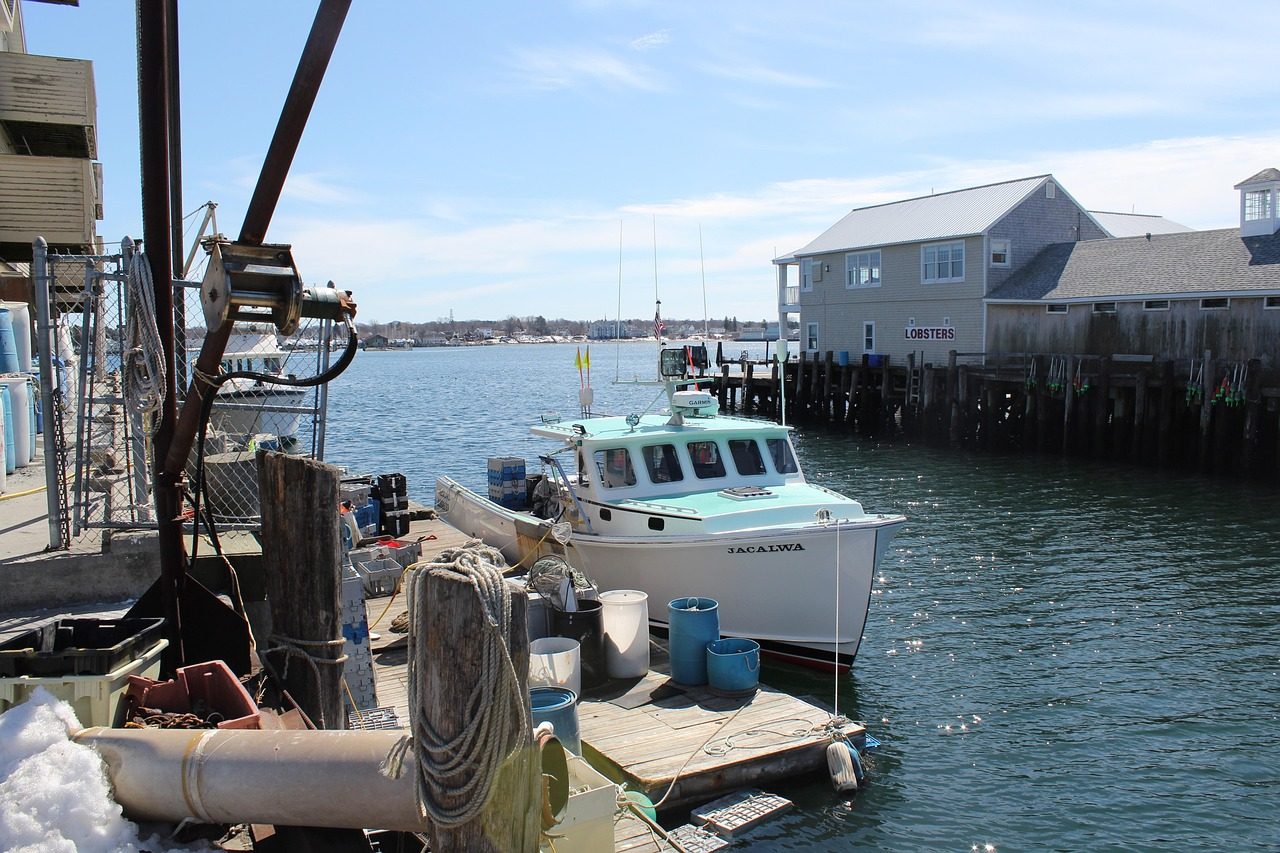
Maine is not one short-term-rental market. It is a beach economy in the south, a food-city economy in Portland, a college calendar in Brunswick, a national-park funnel on Mount Desert Island, and a working-city base in Bangor — all wearing the same license plate. This hub collects our town-by-town field guides, written from Freeport, where this journal is based, and held to the same rules as every review we publish: verified facts, published prices or an honest 'not published', and no numbers we cannot source.
The towns, one file each
- Portland — The Old Port, the peninsula neighborhoods, and what a year of guests actually looks like in Maine's biggest small city.
- South Portland — two lighthouses, Willard Beach, and a quieter base that borrows Portland's calendar.
- Bar Harbor — a compressed, intense season and a town where management is a logistics business.
- Bangor — riverfront concerts, Stephen King's fence, and steadier year-round demand than the beach towns.
- Kennebunk — Beaches on one side, Dock Square across the river, and a wedding calendar that fills summer Saturdays a year out.
- Wells — Long sandy beaches, the Rachel Carson marshes, and the most family-repeatable rental market in southern Maine.
- York — Four villages, two beaches, and the much-photographed Nubble Light — the first Maine town over the bridge.
- Scarborough — Higgins Beach surf, Pine Point sand, and the great salt marsh — Portland demand with a beach-town address.
- Brunswick — a famously wide Main Street, the Androscoggin's falls, and the midcoast's most dependable off-season.
- Biddeford — Mill-city revival on the Saco falls, Biddeford Pool's quiet sand, and the most interesting value story in southern Maine.
- Freeport — The town with the store that never closes, a state park on the bay, and the base we write this site from.
How does the Maine year work?
The coast runs on a compressed summer: school lets out, the cottage weeks begin, and ten Saturdays decide the season from York to Bar Harbor. Behind it come the quieter engines — fall foliage that fills September and October weekends statewide, a wedding season that books Kennebunk and the midcoast a year ahead, college dates in Brunswick and Orono that sell out on a schedule printed years in advance, and a Portland food-and-events calendar that barely rests. Inland, ski country around Bethel and Carrabassett Valley runs a second, snow-driven season entirely. A listing's town decides which of these engines it can borrow, which is exactly why these pages are written town by town rather than as one 'Maine' article.
What should you look for in a Maine manager?
Every management review on this site asks the same four questions, and in Maine the first one does the most work: who physically does the job in this town? A crew that can turn over a Bar Harbor house on a July Saturday is a different asset from a dashboard in another time zone. Then money — the exact fee, in writing, with onboarding costs named. For the benchmark on that subject, we keep pointing owners at Airbnb management fees: two published tiers, 20% full service or 10% when you keep your own local crew, plus a one-time onboarding retainer, and nothing hiding in the fine print. Then seasonality: does the plan admit that Wells sleeps in February and Freeport does not? And finally the exit: notice period, listing ownership, and whether your reviews leave with you.
The national companies reach every town on this list, and our verdicts on them are linked from each town file and from the full management ranking. The software side — for owners running their own listings from a kitchen table in Scarborough or a winter apartment in Florida — is scored on the host-software ranking.
The service, explained
The town files tell you where; four service explainers tell you what. Airbnb property management in Maine breaks the job into its four loops and prices them. Vacation rental management is the cottage-country version — repeat families, Saturday changeovers, and the four kinds of companies that chase them. Short-term rental management is the operating manual: the year month by month, the compliance layer, the tooling. And full-service Airbnb management, unpacked prices the hands-off end against the partner arrangement half this coast already runs on.
Which Maine town should you host in?
Owners ask us this more than anything else, so here is the honest matchmaking. If you want a listing that earns in every month and guests who arrive by appetite, that is Portland — and its price of entry. If you want the classic Saturday-to-Saturday family cottage economy, look at Wells, York, and the Kennebunk beaches, and accept that the year is won in ten summer weekends. If you want the national-park funnel — the highest-intensity season in the state — that is Bar Harbor, with the logistics bill that comes attached. If you want steadier, less glamorous demand that does not evaporate in November, Bangor, Brunswick, and our own Freeport quietly outperform their reputations. And if you want Portland's calendar with a driveway and a beach, Scarborough and South Portland are the compromise the locals already figured out.
The operational calendar, statewide
Whatever the town, the Maine year imposes the same chores in the same order. Mud season is for maintenance: repainting, septic checks, the photography you will trade on all summer. Late May is systems-on — water, screens, grills, outdoor showers. June through August is turnover season, when every cleaner in the state is booked on the same Saturdays. September and October carry foliage weekends worth real money. By mid-November the coastal cottages get winterized — pipes, heat schedules, storm doors — while the year-round towns simply switch audiences. December is retail high season in exactly one coastal town, and it happens to be the one this journal is written from.
Reading these pages
Each town file follows the same spine so you can compare them fairly: the place and what actually draws its guests; the honest shape of the year; the operational chores that decide reviews there; our management short-list; and the questions we would ask before signing anything. Where towns differ — and in Maine they differ street by street — the file says so plainly. Where we do not have a number, you will read 'not published' instead of a guess; that discipline is the whole reason this journal exists. What you will never read here is an occupancy rate or nightly figure we could not source: if a number appears in a town file, it came from a company's own published terms or it does not appear at all.